
ON PORTUGAL’S ALENTEJO COAST, THE CHEF DEVELOPS AN UNPRECEDENTED PROJECT IN THE COUNTRY, WHERE THE SEA, DUNES, AND LOCAL ECOSYSTEMS GUIDE A SYSTEMATIC READING OF THE LANDSCAPE, INNOVATIVELY APPLIED TO GASTRONOMY.
Chef João Rodrigues begins 2026 with what he describes as the most challenging step of his career. Located in the Sado estuary, MOGO, his first fully Independent restaurant, is conceived as a project whose gastronomic proposal stems from a deep reading of the surrounding landscape. Just a few meters from the Atlantic Ocean, the project marks the chef’s return to a more creative and authorial cuisine for the first time since 2022, scheduled to open in Spring.

MOGO is the result of two years of continuous research in the territory—a process that involved living in the place, observing natural cycles, identifying species, and understanding the intersections between sea, estuary, dune, and land, where nothing is immediate or merely decorative. Rather than simply working with local products, the restaurant seeks to understand and interpret landscapes as the structural foundation of the menu, organized around eight ecosystems defined by the chef through multiple field expeditions across the territory.
The name MOGO comes from an ancient Portuguese word referring to a territorial marker, historically used to demarcate land or signal paths, symbolizing the idea of presence. Although João Rodrigues is not originally from the Alentejo region, he chose to arrive, study, respect, and mark the territory through his own interpretation. In recent years, the chef has deepened his relationship with local producers, explored the region, and gained a deeper understanding of the Alentejo coast. “This project only became possible after two years of living, observing, and researching this territory, and I’m very happy to see it come to life in the middle of such a vast landscape—still largely unexplored—which allows us to develop a truly deep research-driven approach,” the chef says.
MOGO’s menu will be structured around eight landscapes, grouped into three major families: Water (the guiding element)—including pelagic, rock, surf, and confluence (estuary); Dune, a central ecosystem for the restaurant and one still rarely explored gastronomically, divided into multiple layers—embryonic, secondary, and salt marsh; and Land, encompassing the agricultural plain, the montado, and the mountains. Each dish will represent a specific landscape, respecting its products and natural limits.
“The menu is born from an attempt to read the landscape around us and transform it into a culinary method,” explains Rodrigues, who is working with professionals from different fields—from cooking to botany—on the development of the project. “We don’t start from dishes, but from landscapes.” Located on a peninsula of strong historical and geographical significance, the restaurant occupies a singular setting: the sea on one side, the river on the other, and an estuary that connects them both. “The sea is also a window to the world, as it has always been for the Portuguese,” he adds.
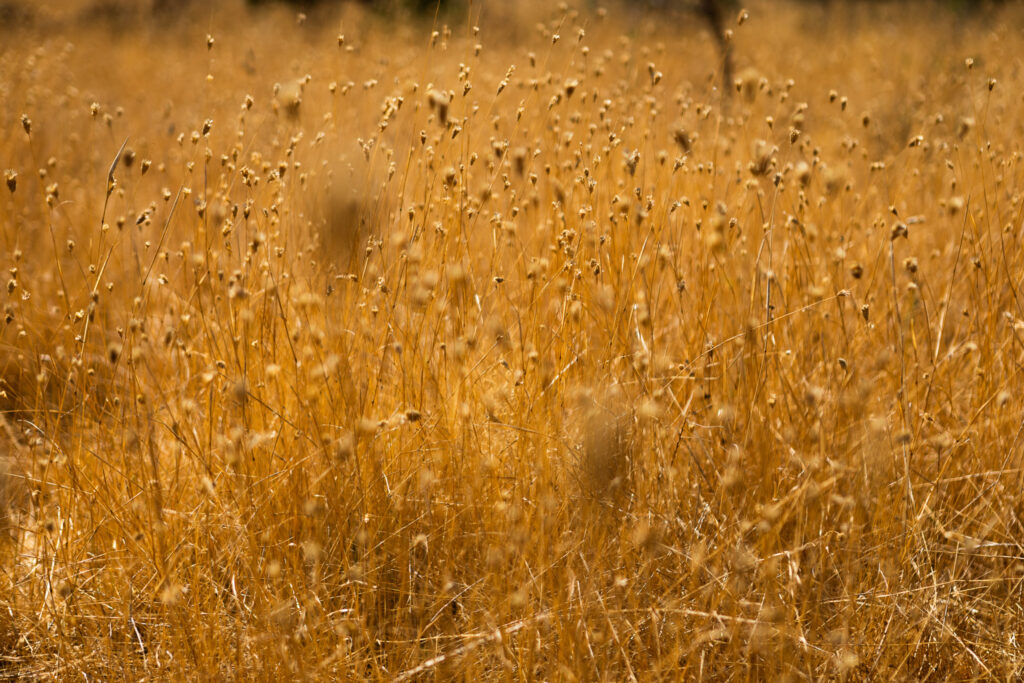
Another central axis of the project is the dune, so present in the landscape that it is visible from the restaurant’s windows—one of MOGO’s most innovative dimensions. “The dune is an invisible ecosystem, little understood, yet extraordinarily alive,” says the chef. Native plants, small crustaceans, and other forms of fauna still absent from contemporary gastronomy will gain expression in the restaurant’s creations.
MOGO’s proposal is to present a cuisine entirely rooted in the territory where it is established. “Alentejo is not only interior land, montado, and plains; the coastline is also part of its identity. We want to represent these landscapes as a whole, from sea to mountains, with water as the connecting thread.”
From the encounter between nature and culture, MOGO is born: a space where research follows the rhythms of land and sea. Founded and led by João Rodrigues, MOGO is a personal and autonomous project of gastronomic research, curated by Projecto Matéria and developed in partnership with Na Praia, an independent hotel conceived by José António Uva, grounded in a long-term vision of conservation, architecture, and territorial responsibility developed over more than a decade. MOGO thus emerges on the Alentejo coast, in the Sado estuary, from a simple and fundamental gesture: READING THE LAND.
Projecto Matéria is the origin and foundation upon which everything that happens at MOGO is built. Created in 2016 by João and Vânia Rodrigues, it was born from the need to question the food system and reconnect food to its origin: the land, the people, and the territory.
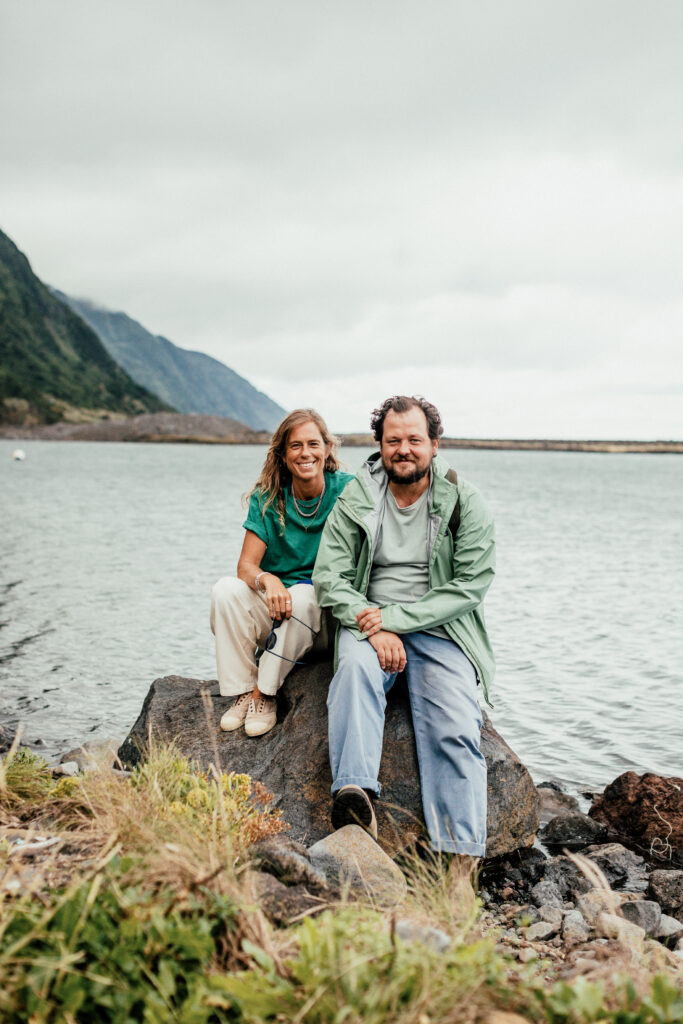
Over the past years, Matéria has developed a consistent body of research, mapping, and direct relationships with small Portuguese producers who work in respect of natural cycles, soil health, and local knowledge—an understanding built on the ground, through time, listening, and practice.
This path, shaped by research and real-world experience, is now applied at MOGO. What was conceived, deepened, and consolidated within Matéria now gains form, continuity, and expression within a concrete gastronomic context. The project is grounded in the conviction that food is culture, ecology, and identity—and that only by truly knowing the origin of food is it possible to build a more conscious, fair, and resilient gastronomy.
JOÃO RODRIGUES
João Rodrigues is one of Portugal’s most respected and beloved chefs, known for his thoughtful approach to food and his deep commitment to the land, its people, and its culture. Renowned for his curiosity and quiet determination, he continually pushes the boundaries of Portuguese gastronomy, sharing it with the world as a cuisine of identity, honesty, and place.
Through MOGO, João deepens his ongoing research into food, culture, and territory, a living practice where knowledge and flavour meet, and where gastronomy becomes a way of understanding landscape. Chef, researcher, and founder of the Monda Group, his work goes beyond the kitchen, bringing together gastronomy, ecology, and anthropology to explore how food connects communities, landscapes, and identity.
In 2016, João created the Matéria Project, a pioneering non-profit platform supported by UNESCO that reflects his belief in connection and origin. Through Matéria, he brings together chefs and producers from across Portugal — mapping knowledge, fostering relationships, and redefining how gastronomy engages with the land and with those who sustain it. Its influence has gone far beyond Portugal, inspiring chefs and researchers internationally to look closer at the people, landscapes, and practices behind what we eat. In 2022, Matéria received the Game Changer Award from La Liste, recognising its impact on the global culinary landscape.
In 2023, this approach gave rise to Residência, an itinerant event curated by João through Matéria that travels across Portugal’s regions, engaging directly with local communities, landscapes, and traditions. It addresses urgent themes such as rural depopulation, land desertification, and the loss of traditional knowledge, while expanding a contemporary understanding of Portuguese gastronomy and its place in the world.
That same year, João opened Canalha, in Lisbon, a casual restaurant dedicated to good ingredients, straightforward cooking, and honest flavour. Within months, it was named Restaurant of the Year by Mesa Marcada, awarded 1 Sol by the Repsol Guide, and received a Bib Gourmand from the Michelin Guide.
Between 2012 and 2022, João led Feitoria, a Michelin-starred restaurant where his research into origin and producers first took shape. It was there that the foundations of Matéria were laid, a philosophy that would redefine the way Portuguese chefs relate to their territories and the people who sustain them.
Across all his projects, João’s purpose remains clear: to celebrate what Portugal grows, makes, and remembers, and to help shape the international recognition of its gastronomy — one rooted in place, shaped by people, and guided by meaning.